
The Inner Workshop: Architecture of the Self
We spend years building careers and homes but neglect the workshop where the self is made. This essay reveals the inner architecture and how to work with it.
In the grand theater of human existence, we often focus on the stage we can see: the physical body, the clothes we wear, the houses we build, and the tools we use to manipulate the world. But the ancient wisdom traditions invite us to look at a different stage entirely – one that is invisible, yet far more enduring. This is the stage of the mind. While our physical bodies are fresh garments we put on at birth and discard at death, our internal world is a traveler. It is a continuous stream of consciousness that moves with us, carrying the baggage of our past and the blueprints for our future.
To understand why we struggle with ourselves, we must first understand what the mind actually is. Most people today confuse the mind with the brain, but they are as different as a musician is from their instrument. The brain is a physical organ, a biological computer made of meat and electricity. It can be measured, mapped, and surgically altered. But the mind is a subtle internal workshop. When a surgeon opens a skull, they find the brain, but they can never find a thought, a memory, or a sense of “I.” These belong to the subjective realm. The brain dies with the body, but the mind, being subtle, is what defines our continuity.
This internal workshop is not a single, monolithic entity; it is a complex apparatus with four distinct functions. When this inner instrument is simply weighing options, wondering “should I or shouldn’t I,” we call it the processing mind. When it moves beyond wondering and makes a firm decision based on logic or value, it becomes the deciding intellect. When it acts as a vast library, storing every emotion, every trauma, and every fleeting thought we’ve ever had, it is the storehouse of memory. And finally, when it creates a boundary between “me” and the “rest of the world,” giving us our unique personality and pride, it is the ego.
The tragedy of the human condition is that this internal workshop, which is meant to be our greatest tool for freedom, often becomes our prison. This is because the mind is the cause of both our bondage and our liberation. If it is cluttered and chaotic, we are trapped in patterns of suffering. If it is refined and disciplined, we are free.

To refine the mind, we need two tools: insight and letting go. Insight is the ability to tell the difference between what is permanent and what is fleeting, what is beneficial and what is harmful. Letting go is the strength to walk away from what we have realized is harmful. However, even when we have the insight to know that a certain habit is bad for us, we often find ourselves repeating it. Why? Because of mental seeds. Every thought we think and every action we perform leaves a tiny impression in our storehouse of memory. These seeds wait for the right conditions to sprout as desires. If we have spent years thinking angry thoughts, we have a garden full of anger seeds. Even if we decide to be peaceful today, those old seeds will keep sprouting, nudging us back into our old ways.
This is why we need mental tranquility – the first of the great treasures of the inner life. Mental tranquility is the act of taming the mind, preventing it from being a slave to these old seeds. But how do we tame something that is as restless as the wind? We do it by living a life of harmony and righteousness. We align our lives with the universal laws of conduct that support the world.
These laws are divided into two categories: external restraints and internal observances. The restraints are our social ethics. First is harmlessness – the commitment to not injure any being in thought, word, or deed. This isn’t just about physical violence; it’s about removing the malice and jealousy that clutter the internal workshop. Next is truthfulness, ensuring our internal thoughts and external words are in perfect harmony. Then comes honesty – not taking what we haven’t earned, even in our imagination. We also practice vitality management, which is being responsible with our physical and sexual energy. Finally, we practice non-possessiveness, refusing to hoard things that take away our mental freedom.
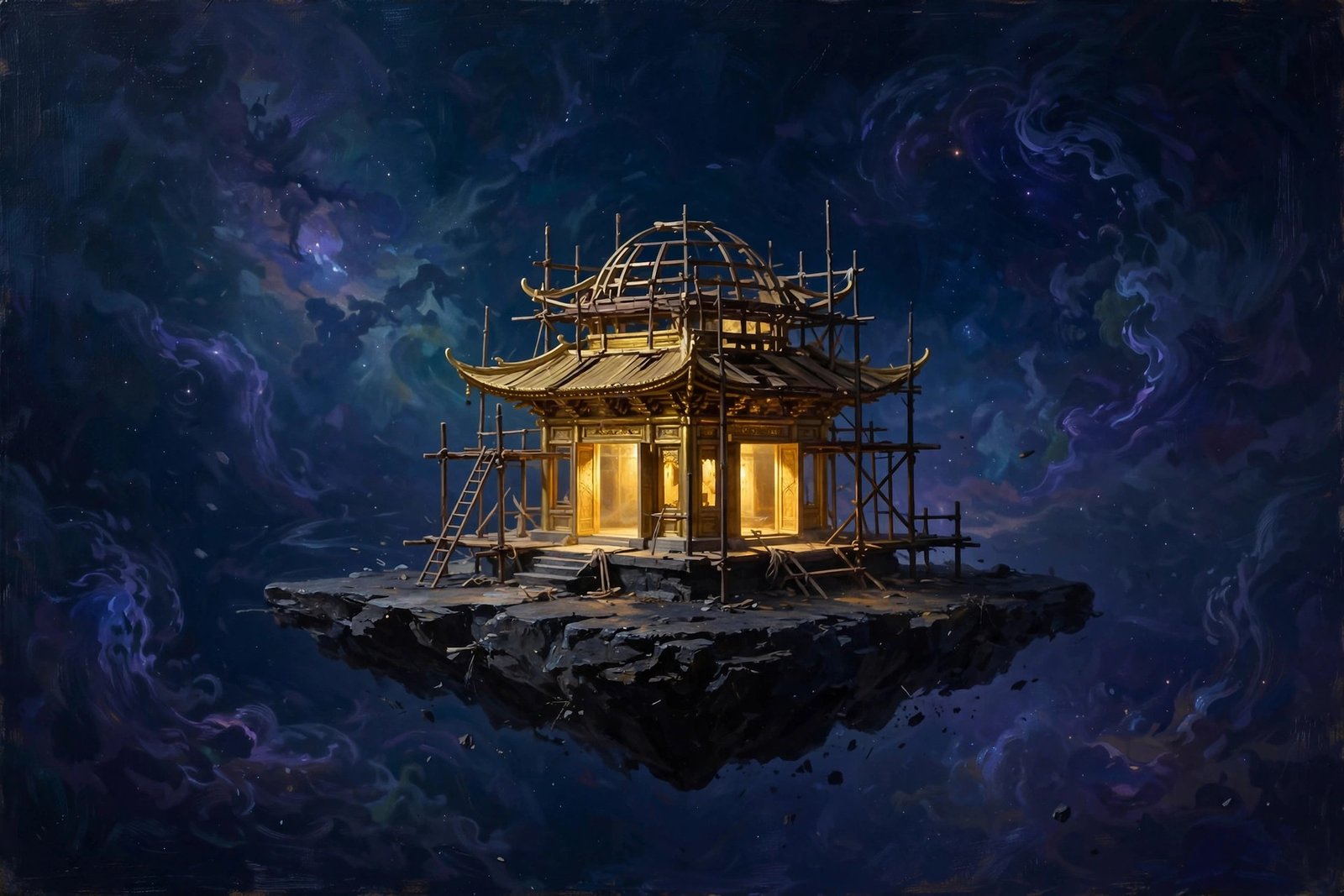
Complementing these are the internal observances. We maintain cleanliness of the body and, more importantly, of the thoughts. We practice contentment, which is the radical act of being happy with what we have instead of constantly hungering for what we don’t. We embrace discipline, the ability to endure discomfort without complaining. We engage in self-reflection, studying the maps left behind by those who have traveled this path before us. And finally, we practice surrender to the infinite, acknowledging that there is a higher intelligence at work in the universe.
When we follow these rules, we aren’t just being “good people” for the sake of society. We are practicing internal hygiene. We are clearing the weeds from our workshop so that the deciding intellect can see clearly. A disciplined mind is like a clear lake; you can see the bottom. An undisciplined mind is like a lake during a storm; everything is murky and chaotic.
The beauty of this path is that all these practices work together. Insight leads to letting go, which makes it easier to keep the mind tranquil. A tranquil mind, in turn, sharpens our insight and makes our letting go more powerful. It is a virtuous cycle. It isn’t easy – nothing worth doing ever is – but the alternative is to remain a victim of our own restless thoughts. As the great warriors of old realized, the hardest battle isn’t fought on a field with swords; it is fought within the silence of our own awareness. By taming the mind, we transform our workshop from a place of confusion into a sanctuary of truth, eventually realizing that the peace we were seeking outside was waiting within us all along.