The Dynamo in the Village: Beyond the Masks of Gender
We mistake masks for identity. This essay goes beyond gender to the dynamo within - the power that wears all masks.
Now, you see, we have a very peculiar habit on days like Mother’s Day. We all get a bit sentimental. We buy flowers, we send cards, and we participate in a very lovely social ritual. But beneath the surface of this sentimentality, there is a much deeper question of identity. Who is the mother, really? In the circles of those who follow the Philosophy of Unity, our thoughts inevitably turn toward a very specific figure – a lady from a tiny, dusty village in the middle of nineteenth-century India. We call her the Great Mother.
She once said, with a kind of breathtaking simplicity, “I cannot contain myself when someone draws near me and calls me mother.” Now, that is a very strange thing to say if you think she’s just talking about biological motherhood. She is talking about a state of being.
Years ago, a young man was preparing to move from his home in the East to work in the city of Boston. A retired professor, who fancied himself a bit of a worldly sage, gave him a very gloomy prophecy. He said, “I am sorry for you; you have a bleak future ahead of you in the West.” The young man just smiled. Why? Because he knew something the professor didn’t. He was tapped into a dynamo of power that originated in that tiny village of Jayrambati. He wasn’t relying on his own small ego; he was relying on the fact that he was a child of the Great Mother.
Now, let’s look at the paradox here. If you looked at a photograph of this woman, you would see a shy, self-effacing, uneducated village woman. She didn’t give grand speeches; she didn’t lead armies. Yet, for over a century, she has been the primary source of courage, boldness, and enterprise for millions of people. These are qualities we usually label as “manly.” We have this silly, outdated habit of putting traits into boxes. We say “boldness” is for the men and “meekness” is for the women.
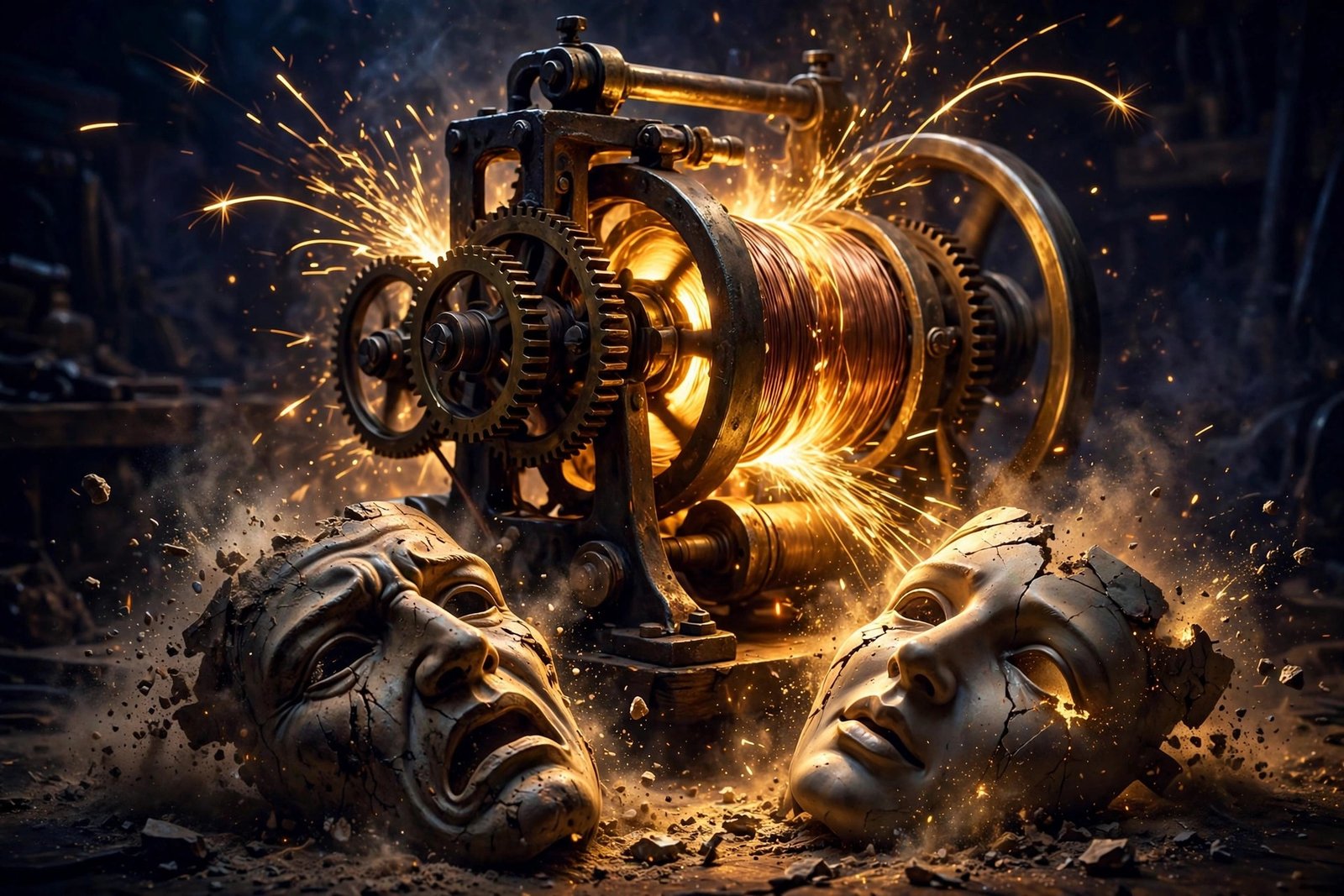
But, you see, there is nothing specifically “manly” about courage, and there is nothing “womanly” about being shy. This is just biological baggage and social conditioning. The Philosophy of Unity tells us to move beyond these masks. The first step is to see every person as a “human being.” Once you do that, you can look even deeper and see the divine presence underneath. The Great Mother was a human being who was so transparent to the divine that she became a source of power for everyone.
How did she do it? She was a woman of total confidence. She wasn’t confident in her “ego” – she didn’t have one in the way we do – she was confident in her ideal. She knew exactly what she was doing every moment of her life. And the most wonderful part of the game is that she makes us feel like we can be just like her. She invites us to become her “children” in the truest sense.
Now, “becoming a child” sounds a bit regressive to the modern ear. We want to be “grown-ups,” don’t we? We want to be in control. but the “obedience” she asks for is not the obedience of a slave to a master. It is the obedience of a person who realizes that they are currently lost in a dark forest and chooses to follow the one person who has a map. When you are “obedient” to the Great Mother, you aren’t losing your freedom; you are losing your ignorance, your bondage, and your fear.
The Master himself – the great teacher of this tradition – was the first “child” of this Mother. He saw no difference between the divine force in the temple, his own biological mother, and his wife. When someone asked the Mother how she looked upon her husband, she said, “As my child.” You see, in this reality, the roles are fluid. The Master, the Mother, and the student are all participating in a single flow of wisdom.
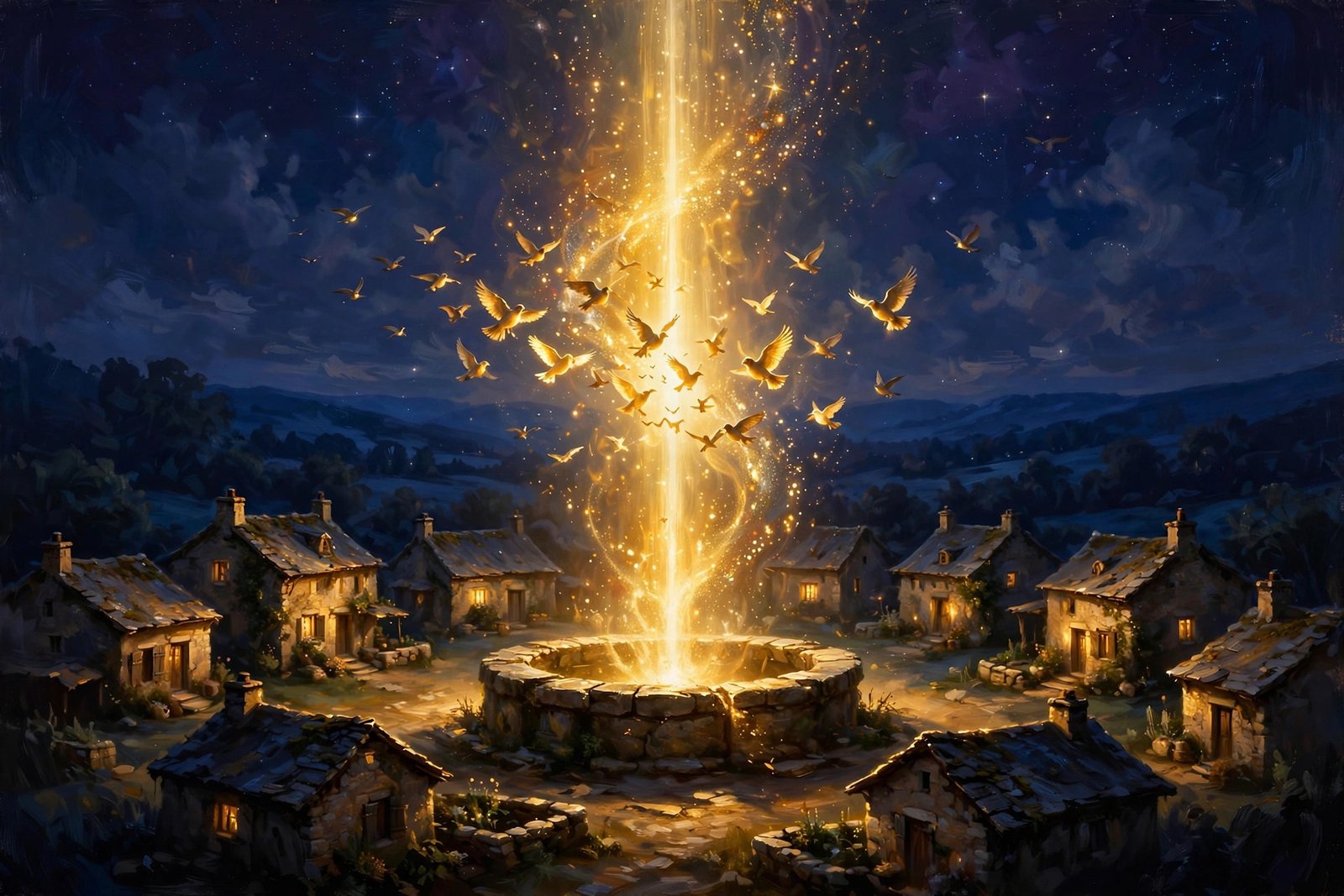
The story of this tradition is really just a story of people who are “armed” with a specific assurance. The Mother tells us, “Do not fear. I am with you. As long as you remember me, why should you be frightened?” She goes even further. She says that any child of hers is already redeemed. She says that “Destiny dare not throw my children into hell.”
Think about the psychological relief of that! Most of us spend our lives in a state of high anxiety about our future. “What will happen to me? Will I fail? Will I be punished?” The Mother says, “Entrust your future to me.” This is the ultimate “safety net.” When you say the words, “I have a mother,” you are using a tool that neutralizes anxiety, jealousy, and pride.
When you truly feel that you have a mother, you don’t need to fight for your place in the world. You don’t need to be jealous of others, because you are already a prince or a princess in the house of the infinite. This realization fills you with love and understanding. Every time you find yourself in distress, you just beep yourself with the mantra: “I have a mother.” And in the silence of your heart, you hear the response: “You are my child.” That, my friends, is the end of fear.